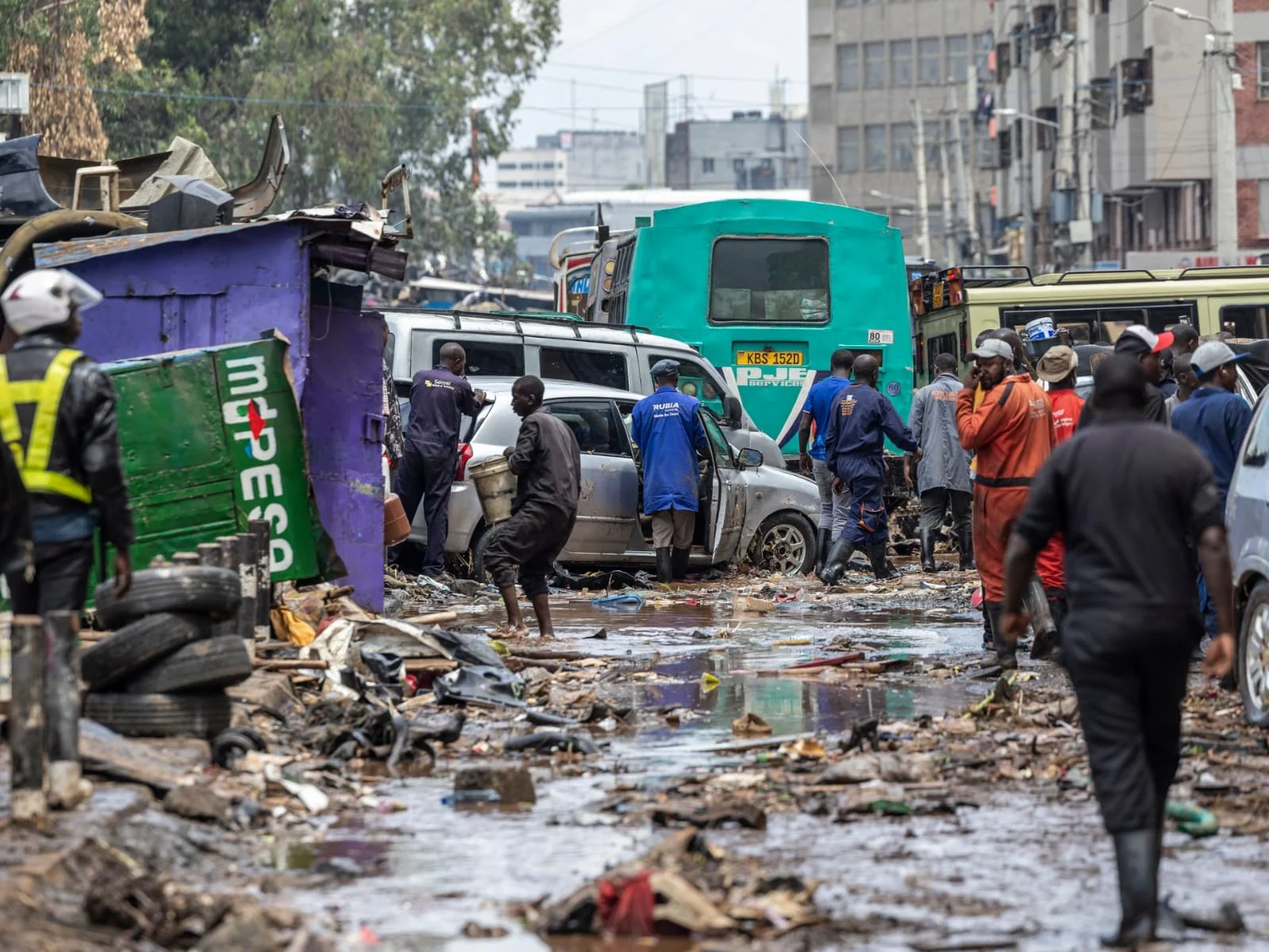
When floods recently swept through Nairobi, they did more than destroy homes and roads they disrupted the lives and futures of thousands of young people. Classrooms flooded, families were displaced, small businesses collapsed, and many young people suddenly found themselves caring for siblings or helping families recover from losses they did not cause.
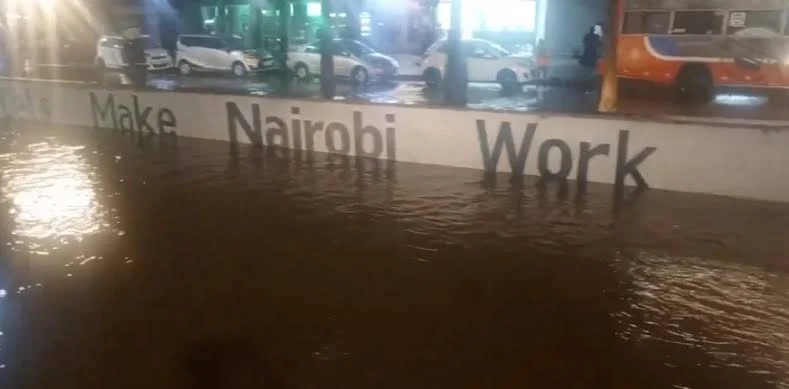
Yet even as they face the harshest consequences of climate change, young people remain the most excluded from climate decision-making spaces.
Young people are not just experiencing climate change in the future. They are living through it now. Floods interrupt their education, threaten their health through water-borne diseases, increase mental stress, and destroy the fragile livelihoods many families depend on. For those living in informal settlements, the risks are even greater.
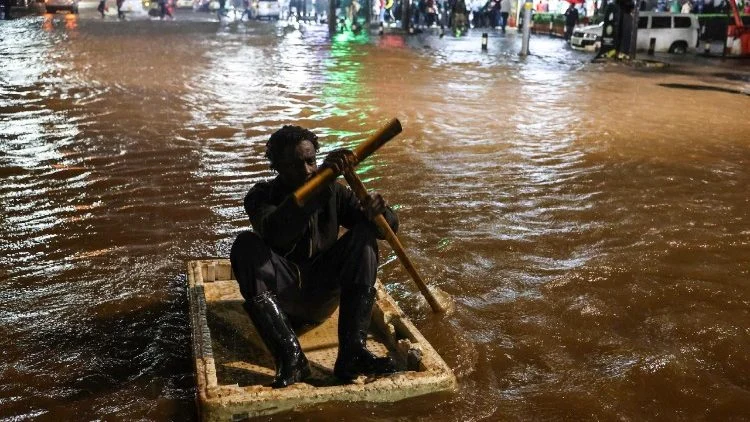
Still, when climate solutions are discussed, youth are often treated as beneficiaries, not partners.
This is a missed opportunity.
Young people understand their communities. They know which areas flood first, which schools close during disasters, and what support families need most. Across Nairobi, young people were already responding during the floods—sharing information, supporting neighbors, and organizing locally. With meaningful inclusion, their creativity and innovation could strengthen climate preparedness and recovery efforts across the city.
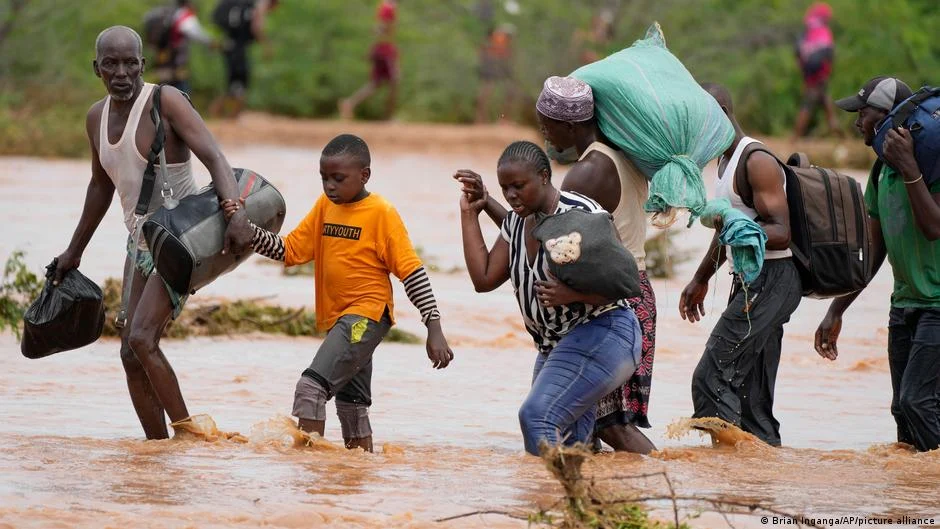 Climate justice must include youth justice. The generation most affected by climate change should not be the last to be heard.
If young people are placed at the center of climate conversations, not at the margins, they can help shape practical, community-driven solutions that build resilience for everyone.
The floods were a warning. The question now is whether we will continue to overlook young people or finally recognize them as leaders in the climate response Kenya urgently needs.